

U.S. President Donald Trump on Monday said the latest proposal for a ceasefire between the United States and Iran is “significant” but ultimately “not good enough,” as a key deadline over the Strait of Hormuz approaches.
“They made a proposal, and it’s a significant proposal. It’s a significant step,” Trump told reporters on the White House South Lawn during the traditional Easter Egg Roll event.
“It’s not good enough, but it’s a very significant step,” he said, adding, “They’re negotiating now, and they’ve made a very significant step. We’ll see what happens.”
His remarks come as diplomatic efforts intensify to halt a conflict that has entered its fifth week, with global markets closely watching developments for any sign of de-escalation.
Ceasefire proposal falls short
The comments follow reports of a proposed 45-day ceasefire that would take effect before Trump’s deadline for Iran to reopen the Strait of Hormuz — a critical global shipping route for oil.
However, a White House official said Trump has not backed the proposal.
“This is one of many ideas, and Trump has not signed off on it,” the official told CNBC, speaking on condition of anonymity.
The same official added, “Operation Epic Fury continues,” signaling that military operations remain active even as negotiations proceed.
The proposed ceasefire had been floated as a last-ditch effort to bring an end to the war, according to earlier reports citing sources familiar with the discussions.
Pressure builds ahead of Hormuz deadline
The urgency surrounding the ceasefire talks stems from Trump’s ultimatum to Iran to reopen the Strait of Hormuz or face significant military consequences.
In a social media post on Sunday, Trump warned that the U.S. would begin strikes on Iranian infrastructure if Tehran fails to comply.
He wrote that Iran must “Open the F—– Strait” by Tuesday night, underscoring the high-stakes nature of the standoff.
In another post, Trump said the new deadline is set for 8 p.m. ET on Tuesday, effectively extending a previously imposed 10-day pause on attacks that had been due to expire earlier.
He also warned that Tuesday “will be Power Plant Day, and Bridge Day, all wrapped up in one,” signaling potential strikes targeting critical infrastructure such as energy facilities and transportation networks.
Diplomatic uncertainty and military posture
Despite the harsh rhetoric, Trump acknowledged that negotiations are ongoing and that progress has been made, even if current proposals fall short of expectations.
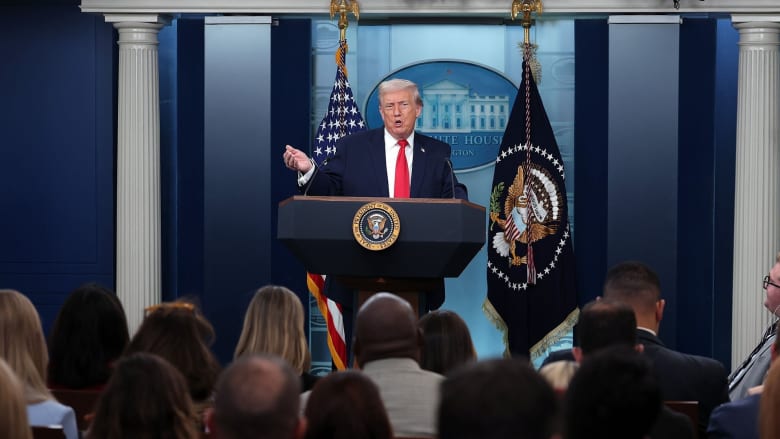
The White House has indicated that Trump will provide further clarity during a scheduled press conference later in the day.
Meanwhile, uncertainty remains over whether Iran will agree to any deal before the deadline, with the outcome likely to shape both the trajectory of the conflict and global economic conditions.
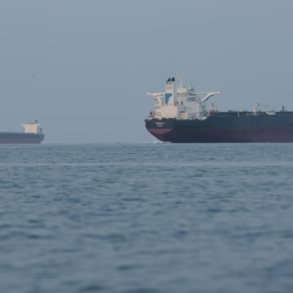
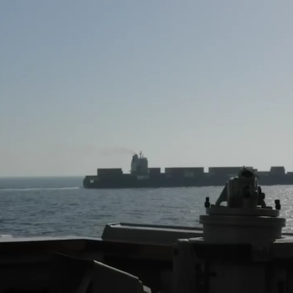
The Strait of Hormuz remains central to the crisis, as it serves as a vital corridor for global oil shipments. Any prolonged disruption could have significant implications for energy markets and inflation worldwide.

Markets and global implications
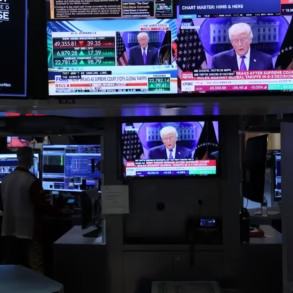
Investors are closely monitoring the situation, with markets reacting sharply to each new development in the conflict.
The possibility of a ceasefire has raised hopes of easing tensions, while Trump’s warnings of potential strikes have kept volatility elevated.
Oil markets, in particular, remain sensitive to any changes in the status of the Strait of Hormuz, given its importance to global supply chains.
At the same time, equity markets have shown signs of resilience, with gains in recent sessions driven in part by expectations that diplomatic efforts could eventually bring the conflict to an end.
What comes next
With the Tuesday deadline approaching, attention now turns to whether negotiations can produce a deal that satisfies both sides.
Trump is expected to address the situation further during his upcoming press conference, which could provide additional insight into the U.S. strategy moving forward.
For now, the ceasefire proposal represents what Trump described as a “significant step,” but not one that meets the threshold required to halt military action.
“They’re negotiating now,” Trump said. “We’ll see what happens.”