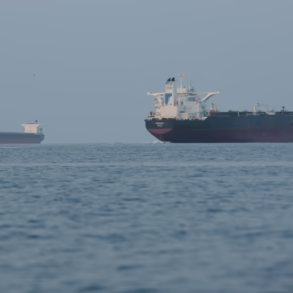

Iran said it has seized two ships in the Strait of Hormuz after the United States extended its ceasefire with Tehran, raising fresh concerns over security in one of the world’s most important shipping routes.
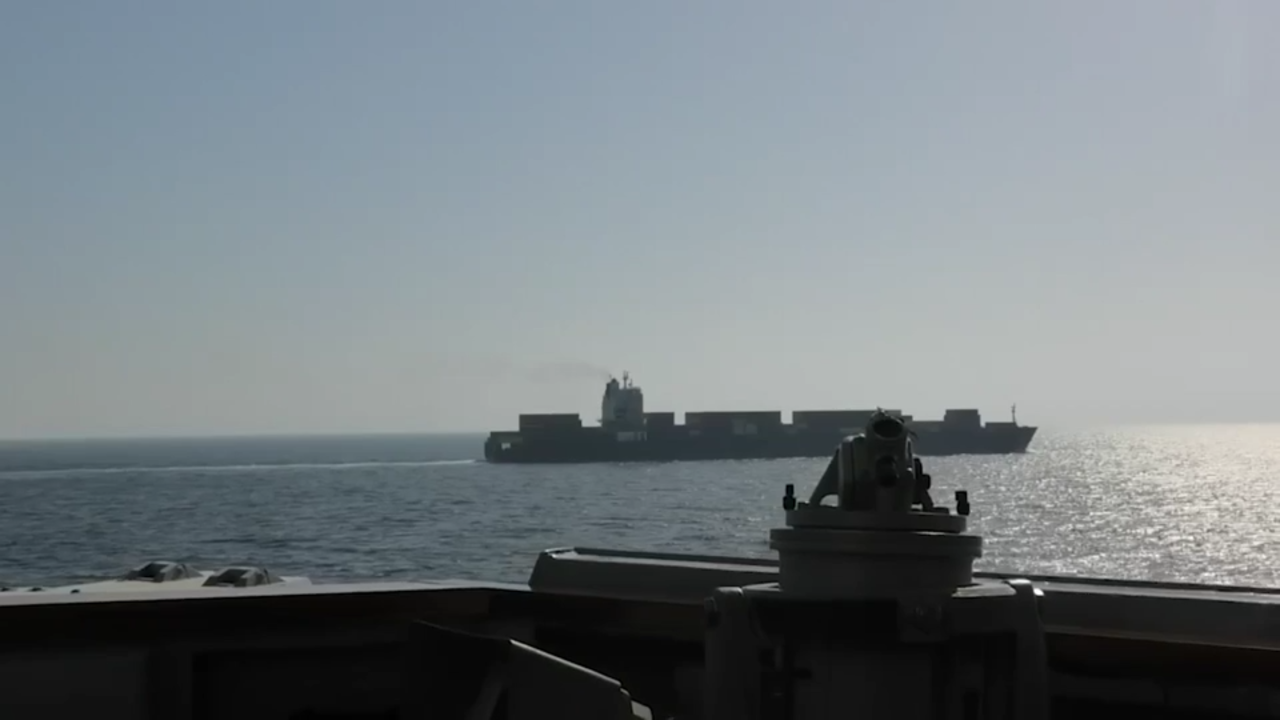
Iran’s navy announced on Wednesday that two container ships had been taken in the strategically vital waterway. The development came shortly after President Donald Trump said the ceasefire would be extended to allow more time for peace talks.
The latest incident adds new uncertainty to an already fragile diplomatic process and renews pressure on global energy markets.
Iran Says Two Ships Were Seized
Iran’s Revolutionary Guard Navy said in a statement that it had seized the two vessels for what it described as maritime violations.
According to Iranian state media, the ships were transferred to Iranian shores after being detained.
CNBC said the claim could not be independently verified.
The announcement followed multiple reports of attacks on commercial vessels in the Strait of Hormuz earlier in the day.
Reports of More Ship Attacks in Strait of Hormuz
U.K. maritime authorities said two ships had been attacked in the area, while Iranian media reported that a third vessel had also been targeted by the country’s military.
The United Kingdom Maritime Trade Operations (UKMTO) center said one vessel reported being fired upon around 8 nautical miles off the coast of Iran at 8:38 a.m. London time.
The crew were said to be safe and accounted for, and the vessel reportedly did not suffer damage.
However, UKMTO warned of “high levels of activity” in the Strait of Hormuz region.
The incident followed an earlier report of another attack roughly 15 miles northeast of Oman at 5:47 a.m. London time.
UKMTO said a container ship was approached by a Revolutionary Guard gunboat. The Guard vessel was reported to have fired upon the ship, causing “heavy damage” to the bridge.
All crew members were again reported safe.
U.S. Extends Ceasefire With Iran
The maritime incidents happened shortly after Trump announced that the United States would extend the ceasefire with Iran.
According to Trump, the pause in hostilities was extended to allow Iranian leaders to submit a “unified proposal” aimed at ending the war.
The move signaled that Washington was still seeking a diplomatic outcome despite continued tensions in the Gulf.
The ceasefire extension came after reports that Vice President JD Vance’s trip to Pakistan for a second round of peace talks with Iranian officials had been put on hold.
Iranian state outlet Tasnim also reported that negotiators from Tehran would not attend further talks.
That created uncertainty over whether negotiations would continue.
Why the Strait of Hormuz Matters
The Strait of Hormuz is one of the most strategically important waterways in the world.
It connects the Persian Gulf to the Gulf of Oman and serves as a key route for global energy exports.
Roughly 20% of the world’s oil and gas supply typically passes through the narrow shipping corridor.
Because of that, any military confrontation, vessel seizure, or disruption in the area can have immediate effects on markets.
Recent attacks on commercial ships in the Gulf have already increased fears of a prolonged economic shock.
Oil Prices Rise After Latest Incident
Energy markets reacted cautiously to the latest developments.
International benchmark Brent crude futures for June delivery traded 0.5% higher at $99.03 per barrel after briefly moving above $100.
U.S. West Texas Intermediate futures for June delivery also rose 0.5% to $90.13.
The moves reflected continued concern that instability in the Strait of Hormuz could disrupt supply flows or push transport and insurance costs higher.
Oil traders have remained highly sensitive to headlines involving the region because of the route’s global importance.
Security Risks Continue Despite Ceasefire
The latest seizures and attacks show that security risks remain high even with the ceasefire still in place.
While diplomatic efforts continue, vessel operators and insurers are likely to remain cautious about activity in the area.
Shipping companies may face longer routes, higher security costs, and delays if tensions continue.
That could also place additional pressure on supply chains and commodity prices.
The warning from UKMTO about “high levels of activity” suggests the situation remains unstable.
Peace Talks Face Fresh Questions
The ceasefire extension was meant to create room for further negotiations. However, the latest incidents may complicate that process.
With reports that Iranian negotiators may not attend future talks, questions remain over whether both sides can agree on a framework for lasting peace.
The delay of JD Vance’s reported trip to Pakistan also adds uncertainty around the next diplomatic steps.
Any breakdown in talks could increase military risks and market volatility.
Global Markets Watching Closely
Investors are watching the Strait of Hormuz closely because disruptions there often affect more than just oil prices.
Shipping delays can raise transportation costs, pressure inflation, and weigh on broader economic growth.
That is why markets have reacted sharply to each new development in the Gulf over recent weeks.
The latest ship seizures are likely to keep traders focused on geopolitical headlines in the days ahead.
Strait of Hormuz Remains at the Center of Tensions
The seizure of two ships in the Strait of Hormuz after the U.S. extended the ceasefire highlights how fragile the current situation remains.
Although diplomacy continues, military incidents in the waterway show that tensions have not disappeared.
As long as peace talks remain uncertain and commercial shipping faces security threats, the Strait of Hormuz is expected to remain a central focus for global markets, governments, and energy traders.