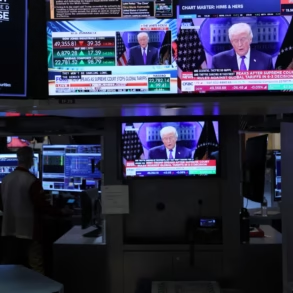
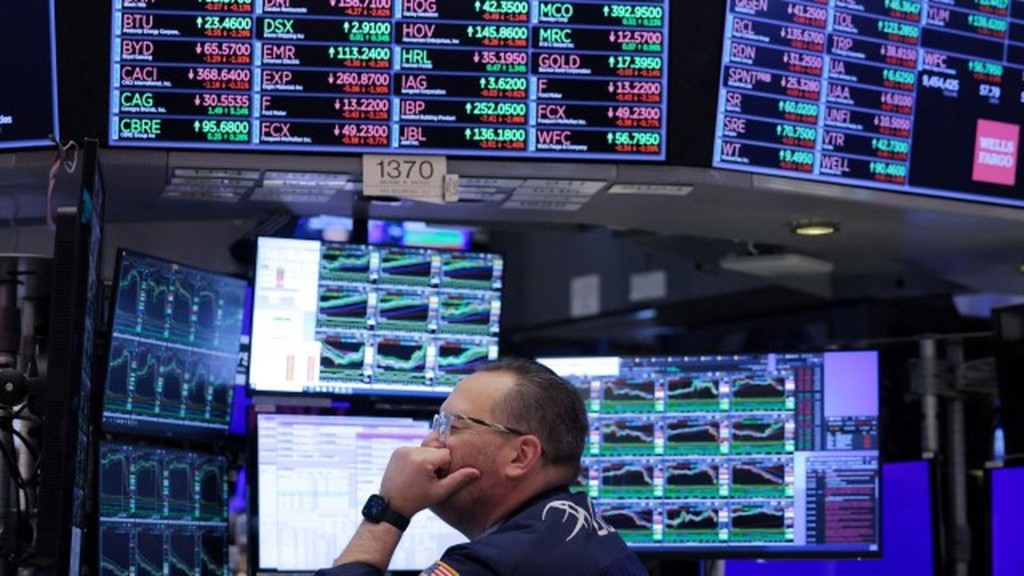

Investors are misreading Iran war risks as markets continue to swing on changing headlines surrounding the Strait of Hormuz, according to several analysts. After a sharp rally last week, global markets turned weaker again on Monday as hopes of a lasting reopening of the key shipping route faded.
The latest moves show how sensitive investors remain to developments in the Middle East. They also highlight growing concerns that markets may be reacting too positively to short-term headlines while underestimating the wider risks to global growth, inflation, and energy supplies.
Markets Rally on Ceasefire Optimism
Growing investor optimism over an end to hostilities in the Gulf helped push stocks higher after a two-week ceasefire was agreed between the United States and Iran on April 7.
Confidence increased further when Tehran announced on Friday that the Strait of Hormuz was open to shipping traffic. The development sparked a strong reaction across equity markets.
The S&P 500 gained 4.5% last week, while the Nasdaq Composite climbed 6.8%. The Nasdaq also posted its 13th consecutive winning session on Friday, matching a streak not seen since 1992.
The gains reflected hopes that tensions were easing and that global energy flows could soon return to normal.
Markets Reverse as Strait of Hormuz Closes Again
The positive momentum did not last long.
Global equity markets faltered on Monday after traffic on the Strait of Hormuz once again slowed sharply. Iran announced another closure of the route just one day after reopening it, renewing uncertainty for traders and investors.
The fragile ceasefire is also set to expire on Tuesday, adding another layer of risk to the market outlook.
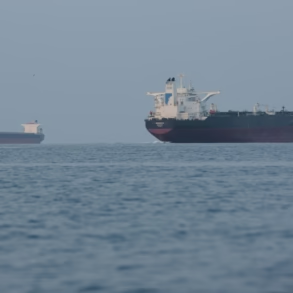
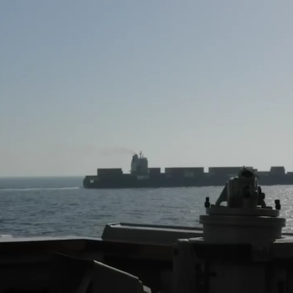
The Strait of Hormuz remains one of the most critical shipping lanes in the world. Roughly 20% of global oil and liquefied natural gas supply passes through the waterway.
Any disruption there can quickly influence oil prices, inflation expectations, transportation costs, and overall investor sentiment.
Analysts Say Investors Are Too Complacent
Analysts now warn that investors may be taking an overly optimistic view of the conflict.
Matt Gertken, chief geopolitical strategist at BCA Research, said markets appear to be treating the current crisis in the same way they responded to previous political shocks linked to U.S. President Donald Trump.
He said investors had adapted to respond to Trump’s tariff announcements since his “liberation day” last year, but the Middle East conflict should not be viewed the same way.
“The market is believing this is like ‘liberation day’ – that President Trump can raise the temperature but then lower the temperature at the perfect time, and that he’s the maestro,” Gertken told CNBC’s Squawk Box Europe.
“But we could be in a different situation now, because Iran has been attacked, and they have a higher pain threshold.”
His comments suggest investors may be assuming events can be carefully managed, even though military conflicts often become harder to control once they escalate.
Why the Current Crisis Is Different
The current market environment differs from previous tariff or trade disputes because geopolitical risks can move faster and with less warning.
Trade tensions usually unfold through policy statements, deadlines, and negotiations. Military conflict, however, can shift rapidly through retaliation, shipping incidents, or regional involvement.
That uncertainty is one reason analysts believe investors should take the current crisis more seriously.
BCA’s Gertken also noted that Trump has not yet secured guarantees on Iran’s nuclear capabilities, one of the White House’s stated war aims.
“Over a 12-month time horizon, investors should be treating this seriously – they shouldn’t be complacent about the crisis,” he added.
Strait of Hormuz Is Still the Main Issue
Investment manager Orbis said the key issue for markets is whether the Strait of Hormuz will reopen in a stable and lasting way.
Patrick O’Donnell, chief investment strategist at Orbis, said markets currently appear to be taking a “glass half full” approach to recent developments.
“It’s pretty clear to us that equity markets are viewing things with a ‘glass half full’ view,” O’Donnell told CNBC’s Europe Early Edition.
“What we’re focused on is whether the Strait of Hormuz is actually going to reopen again.”
He added that the impact of the conflict in the Middle East could have a “quite a long-lasting effect” on the global economy and markets.
That view reflects the importance of uninterrupted energy flows for businesses, inflation, and consumer confidence.
Deutsche Bank Warns of a 2022 Repeat
Deutsche Bank also urged caution in a note on Monday, drawing comparisons with the early months of the Russia-Ukraine war in 2022.
At that time, markets rallied strongly on hopes of a quick negotiated settlement. The S&P 500 rose more than 10% in the early weeks of the conflict.
However, those expectations proved premature.
The benchmark index later fell around 25% from its January peak to its October trough and finished the year down 19%, its worst annual performance since 2008.

Jim Reid, Deutsche Bank’s head of macro research, said the comparison was “uncomfortable.”
“That episode is a clear warning sign,” he added.
The reference suggests markets can sometimes price in positive outcomes too early, only to reverse sharply when the economic effects become clearer.
What Investors Are Watching Next
With the ceasefire set to expire on Tuesday, investors are now focused on several key developments.
These include:
- Whether the ceasefire is extended
- Whether the Strait of Hormuz remains open
- Whether oil shipments normalize
- Whether new negotiations begin
- Whether tensions spread further in the region
Each of these factors could shape market direction in the coming days.
If shipping traffic resumes normally and talks continue, sentiment may improve again. If not, volatility could remain elevated.
Oil Prices and Inflation Remain Central Risks
The market focus on the Strait of Hormuz reflects wider concerns about oil prices and inflation.
If disruptions continue, higher energy prices could feed into transportation costs, manufacturing expenses, and consumer prices.
That would also complicate the outlook for central banks already trying to manage inflation and slowing growth.
Because of that, investors are watching geopolitical headlines as closely as economic data.
Investors Misreading Iran War Risks Could Face More Volatility
The latest market swings show why analysts believe investors misreading Iran war risks could face further surprises.
Short-term optimism has helped support stocks, but many strategists warn that unresolved geopolitical risks remain significant.
As long as ceasefire terms are uncertain and the Strait of Hormuz remains vulnerable to sudden closures, markets may continue reacting sharply to every new headline.