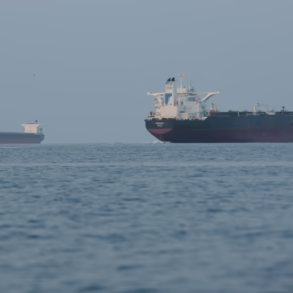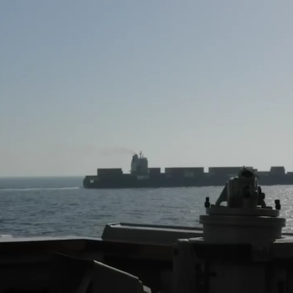

Iran has declared the Strait of Hormuz open to commercial shipping during the current ceasefire between Israel and Lebanon, a move that immediately eased concerns in global energy markets.
The announcement came on Friday as traders, governments, and shipping companies closely watched developments in one of the world’s most important oil transit routes.
Iranian Foreign Minister Seyed Abbas Araghchi said the passage for all commercial vessels through the Strait of Hormuz would remain open for the rest of the ceasefire period.
However, he added that ships must use a “coordinated route” set by Iran’s maritime authorities.
The development marks one of the clearest signs yet that regional tensions may be easing, even if temporarily.
Why the Strait of Hormuz Matters
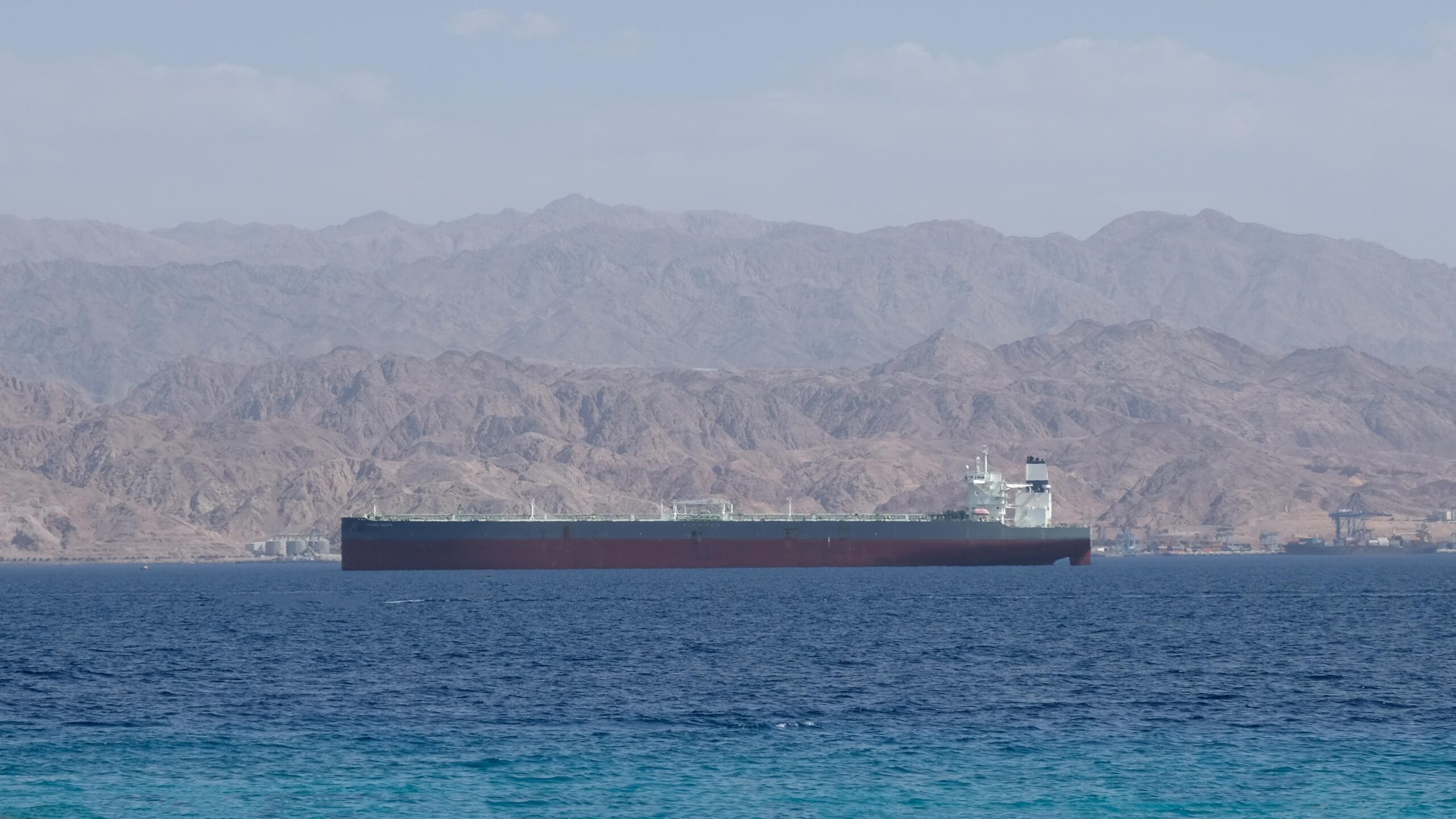
The Strait of Hormuz is one of the most critical waterways in global trade.
It connects the Persian Gulf to the Arabian Sea and is used to transport a large share of the world’s crude oil and liquefied natural gas.
Any disruption to traffic through the strait often causes immediate market reactions, especially in oil prices.
Because of that importance, investors have been monitoring the route closely since conflict intensified in the region earlier this year.
The latest decision from Iran helped calm fears of prolonged supply disruption.
Effect on Oil Prices
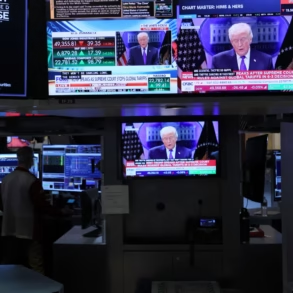
Oil prices fell sharply after Iran’s announcement.
According to the report, crude prices plunged more than 11% following confirmation that the strait would be open to commercial traffic.
The market reaction reflected hopes that supply bottlenecks could begin to ease if more vessels resume normal movement through the waterway.
Lower oil prices can also reduce inflation pressure in major economies, especially countries already dealing with higher transport and energy costs.
Ceasefire Between Israel and Lebanon
The shipping announcement followed a separate ceasefire agreement between Israel and Lebanon.
Both sides agreed on Thursday to a 10-day ceasefire, beginning at 5 p.m. ET.
Israel’s military campaign in Lebanon against Hezbollah had become a major obstacle in wider talks involving Washington and Tehran.
Hezbollah is closely aligned with Iran, making Lebanon a central issue in regional negotiations.
The ceasefire is now being seen as an important step toward reducing broader conflict risks.
Trump Welcomes the Move
President Donald Trump responded positively to Iran’s decision.
In a social media post, Trump thanked Iran for reopening the Strait of Hormuz.
However, he also made clear that U.S. pressure would continue.
Trump said the American naval blockade of Iranian ports would remain in place until a broader agreement is reached with Tehran.
That means while shipping access may improve, political and military pressure between both countries remains unresolved.
Disputes Over Earlier Ceasefire Terms
The latest development comes after weeks of disagreements between the United States and Iran over an earlier truce.
Trump agreed to a two-week ceasefire on April 7 in exchange for Iran fully reopening the strait.
But Iran’s parliamentary speaker, Mohammad Bagher Ghalibaf, accused the U.S. of violating the deal by allowing Israel to continue military operations in Lebanon.
As a result, the Strait of Hormuz remained largely restricted despite the previous ceasefire announcement.
Only a small number of commercial vessels were reportedly moving through the route each day.
Shipping Firms Still Likely to Be Cautious
Although the Strait of Hormuz is now declared open, shipping companies may still move carefully.
Operators typically assess:
- Security risks
- Insurance costs
- Naval activity in the region
- Political stability
- Route coordination requirements
The requirement for vessels to use a coordinated route may also slow a full return to normal traffic.

Some tanker firms could wait for several days of stable passage before increasing volumes.
Fresh U.S.-Iran Talks Could Follow
Diplomatic efforts are also continuing.
Negotiations between Vice President JD Vance and Mohammad Bagher Ghalibaf last weekend in Pakistan failed to secure a permanent agreement.
However, Trump said negotiators from both sides could meet again this weekend in Pakistan for a second round of talks.
Those talks may focus on several unresolved issues, including:
- Long-term access through the Strait of Hormuz
- Iran’s regional influence
- U.S. sanctions
- Security guarantees
- A broader end to hostilities
Any breakthrough could have a major impact on oil prices and financial markets next week.
Global Markets Watching Closely
The reopening of the strait is significant not only for the Middle East but for the wider global economy.
Higher oil prices in recent weeks had increased fears of:
- Rising inflation
- Slower economic growth
- Higher transport costs
- Pressure on central banks
- Supply chain disruption
A stable Strait of Hormuz could reverse some of those concerns.
That is why investors responded quickly to Friday’s announcement.
What Happens Next
The next few days are likely to determine whether the current relief lasts.
If the Israel-Lebanon ceasefire holds and U.S.-Iran talks progress, shipping flows may improve and oil prices could remain lower.
But if talks collapse or fighting resumes, volatility may return quickly.
For now, Iran’s decision to declare the Strait of Hormuz open offers markets a rare sign of easing tensions in a conflict that has shaken energy markets for weeks.