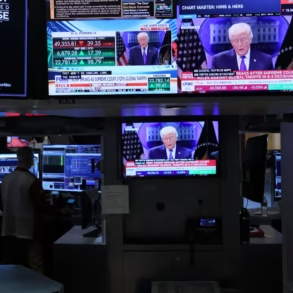


Oil prices held firm on Thursday as investors monitored fresh developments surrounding possible second-round peace talks between the United States and Iran.
Markets remained cautious after several days of shifting headlines tied to ceasefire negotiations, Strait of Hormuz tensions, and wider Middle East conflict risks.
Brent crude, the international benchmark, rose modestly to remain above $95 per barrel, while U.S. West Texas Intermediate crude climbed above $88 per barrel.
Both contracts had started the week above $100 per barrel, showing how strongly traders continue to react to diplomatic and military developments.
Investors Focus on Fresh Negotiations
The main question for energy markets this week is whether Washington and Tehran will resume negotiations before the current two-week ceasefire expires on April 22.
Initial talks between both sides reportedly broke down last weekend in Islamabad, Pakistan, after a lengthy 21-hour negotiating session.
Despite that setback, the White House said discussions remain active.
White House press secretary Karoline Levitt said the United States is still “very much engaged in these negotiations.”
That statement helped calm some fears of an immediate return to escalation.
Trump Signals Optimism
President Donald Trump also suggested progress could be near.
In remarks reported earlier this week, Trump said media outlets “should stay there [in Pakistan], really, because something could be happening over the next two days.”
He later told Fox Business that the war is “very close to being over.”
However, Pakistan’s foreign minister said on Thursday that no date has been fixed for a second round of talks.
Major Disputes Still Unresolved
Several core disagreements continue to block a broader settlement.
They include:
- Iran’s nuclear enrichment programme
- Control of the Strait of Hormuz
- U.S. sanctions on Tehran
- Israel’s military campaign in Lebanon
These issues remain sensitive and could delay any final agreement.
Hormuz Strait Still Under Pressure
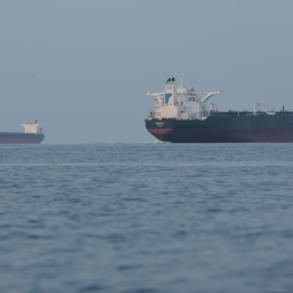
The Strait of Hormuz remains one of the biggest factors for oil prices.
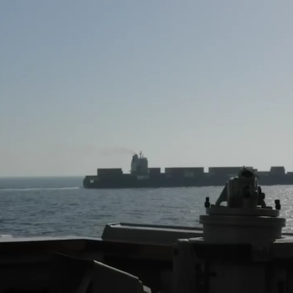
Traffic through the route has stayed near zero as the U.S. Navy continues blocking ships moving to and from Iranian ports.
That has disrupted the flow of roughly 1.5 million barrels per day of Iranian crude exports.
Chairman of the Joint Chiefs of Staff Dan Caine said 13 ships had already turned back instead of attempting to cross the blockade.
The U.S. also expanded enforcement measures, including boarding, search, and seizure of certain Iranian-linked vessels.

Iran Signals Limited Flexibility
There were also signs Tehran may be open to compromise.
According to reports, Iran said it would allow ships to move freely through Omani waters on the eastern side of the strait if a ceasefire deal meets its demands.
That could offer a path toward easing supply fears if negotiations advance.
Still, Iran has previously demanded toll arrangements and stronger sovereignty rights over the strategic waterway.
Why Oil Prices Stayed Stable
Oil traders appear to be balancing two opposing forces:
Supporting Prices:
- Risk of renewed military escalation
- Continued shipping disruption
- Lower Iranian exports
Limiting Gains:
- Hopes for renewed diplomacy
- Possibility of ceasefire extension
- Potential reopening of shipping routes
This has left prices moving within a narrower range after earlier spikes.
Markets Remain Sensitive
Energy markets are likely to stay volatile until there is clarity on talks.
Any confirmed progress toward a deal could pressure oil lower. A collapse in negotiations or new military action could quickly send prices higher again.
For now, investors are treating every headline from Washington, Tehran, Islamabad, and the Strait of Hormuz as a key market signal.