
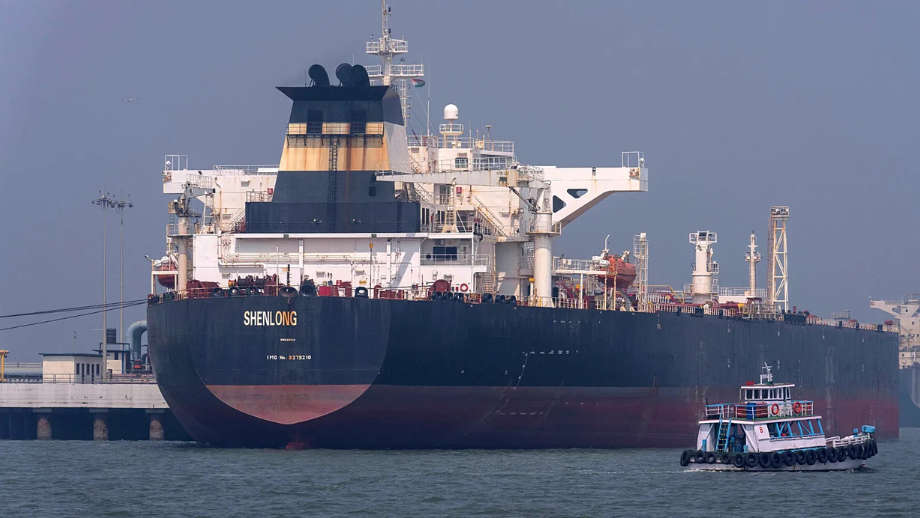

The Strait of Hormuz shipping recovery remains uncertain despite a temporary ceasefire between the United States and Iran. Maritime experts warn that tanker traffic may take weeks or even months to return to normal levels.
Although the truce raised hopes of reopening one of the world’s most critical energy corridors, confidence among shipowners has not returned. The waterway, which handles roughly one-fifth of global oil and gas supply, is still operating far below capacity.
Limited Tanker Movement Signals Ongoing Disruption
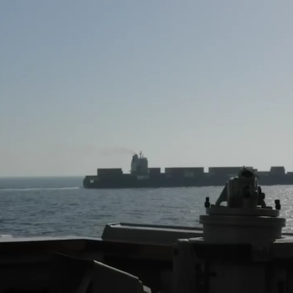
Shipping data shows only minimal improvement in activity. According to maritime intelligence sources, just a handful of vessels have passed through the strait since the ceasefire began.
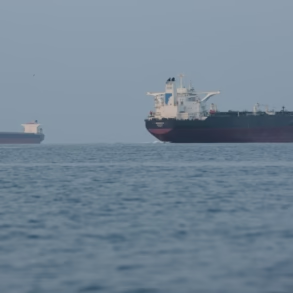
Hundreds of oil tankers remain anchored outside the الخليج, waiting for clearer signals before resuming transit. Some ships are also avoiding detection by switching off tracking systems, highlighting ongoing security concerns.
Experts Warn Recovery Could Take Months
Industry leaders say the situation is far from resolved.
“Returning to normal for our industry is weeks away,” said Nils Haupt, communications chief at Hapag-Lloyd.
He added that shipping companies are still avoiding the route due to unresolved risks.
“It will take weeks, if not months, to reintroduce the original shipping schedules that we had before the start of the war.”
These delays are not just about safety. Logistics disruptions have created a backlog of cargo across ports in India, Oman, and Pakistan.
Ceasefire Conditions Still Unclear
Another major concern is the lack of clarity around transit rules. Shipowners remain uncertain about tolls, legal frameworks, and coordination with Iranian forces.
Maritime analytics firm Windward noted:
“Whether Iran will maintain control of Hormuz during talks is unclear, but all signs point to the Islamic Republic refusing to give up its leverage.”
This uncertainty is enough to keep many vessels away from the route.
Comparisons to Red Sea Crisis Raise Concerns
Analysts are drawing parallels to the Red Sea disruptions caused by Houthi attacks in Yemen, where shipping traffic has yet to fully recover months after a ceasefire.
“As long as there’s a threat of an attack, that’s enough. You don’t actually need the attack,” said Nikos Petrakakos, managing director at Tufton Investment Management.

However, unlike the Red Sea, alternative routes for Hormuz are limited, which could eventually force a faster recovery once risks decline.
Oil Prices Drop but Risks Remain
Oil markets have reacted quickly to the ceasefire, with prices falling from recent highs. However, analysts warn that volatility is far from over.
Supply disruptions, higher insurance costs, and ongoing geopolitical tensions continue to weigh on the market.
“Physical and logistical disruptions are not going to disappear overnight,” said Ray Sharma-Ong of Aberdeen Investments.
Captains Still Reluctant to Take Risks
Even with financial incentives, many ship captains remain hesitant to navigate the strait.
“I don’t care how much the bonus is, it’s not worth risking my life,” one industry expert noted.
Until safety concerns are fully addressed, shipping activity is expected to remain subdued.