


Four times a year, some of the most powerful investors in the world are required to reveal what they own. This week marked one of those disclosure windows.
Investment managers overseeing more than one hundred million dollars in US listed equities must file Form 13F with the Securities and Exchange Commission. These filings publicly detail their holdings in stocks and certain options traded on American exchanges. While the reports are not exhaustive and reflect positions as of the end of the previous quarter rather than current trades, they remain one of the clearest windows into how hedge funds and major family offices allocate capital.
For market watchers, 13F season offers insight into shifting trends, conviction bets, and which strategies recently paid off or stumbled. Bloomberg’s coverage this week highlighted several notable developments.
Buffett Turns More Defensive
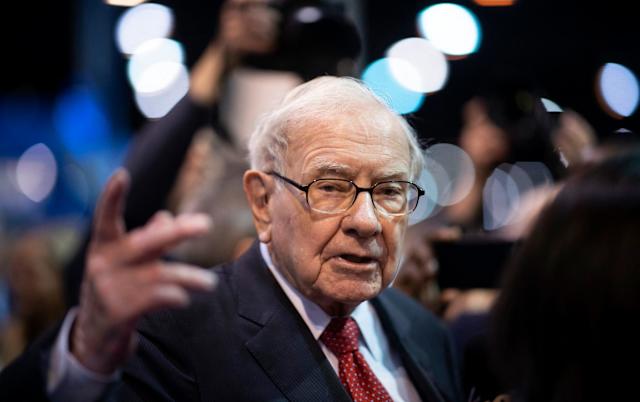
Warren Buffett signaled a more cautious stance in what was his final quarter leading Berkshire Hathaway.
During the fourth quarter, Berkshire significantly reduced its stake in Amazon.com, cutting the position by more than seventy five percent. The conglomerate also continued trimming its holdings in Bank of America and Apple, lowering them to 7.1 percent and 1.5 percent of the portfolio respectively. Those reductions began in 2024 and extended through the latest reporting period.
According to Bloomberg Intelligence analyst Matthew Palazola, the pattern suggests a more defensive posture, and further profit taking in Apple and Bank of America would not be surprising.
One fresh addition stood out. Berkshire initiated a roughly three hundred fifty million dollar position in The New York Times, marking a notable new media bet.
Family Offices Dial Back Metals
Several family offices managing wealth for ultra high net worth individuals reduced their exposure to gold, silver, and copper in the fourth quarter. The timing appears well judged. After an extended rally, precious metals have recently cooled, with prices losing some of their momentum.
Data compiled by Bloomberg show that managers who exited metals positions at year end locked in substantial gains, in some cases exceeding 160 percent from earlier entry points.
Druckenmiller Bets on Brazil
Stanley Druckenmiller made a timely call on Brazil.
His firm, Duquesne Family Office, accumulated approximately 3.5 million shares of the iShares MSCI Brazil ETF during the fourth quarter. The fund also purchased call options tied to the exchange traded fund, which trades under the ticker EWZ.
The move came just before a sharp rally. The ETF climbed 17 percent in January, its strongest monthly performance since 2020, supported by a weaker dollar and firmer commodity prices.

Brevan Howard Reshapes Its Bitcoin Exposure
The fourth quarter decline in crypto markets prompted portfolio adjustments across the hedge fund industry. Brevan Howard Capital Management significantly reduced its stake in iShares Bitcoin Trust, the spot bitcoin ETF managed by BlackRock.
The firm cut its holdings by more than 31 million shares compared with the prior quarter, making it the largest seller of the fund during that period. However, it did not abandon the trade entirely. Instead, Brevan Howard shifted much of its exposure into derivatives, holding call options linked to roughly 8 million shares and put options tied to about 5 million shares, according to filings.
The repositioning suggests a more tactical approach to volatility rather than a full retreat from digital assets.
A Word of Caution on 13F Filings
Despite their value, 13F filings have clear limitations. They are backward looking and reflect positions at quarter end, meaning funds may have altered or exited trades by the time the data become public. The disclosures also capture only long positions in shares and certain options. Short positions and other hedges remain invisible, leaving investors with only part of the picture.
For individual investors, these reports can highlight themes and strategic shifts among major players. But they should be used as context rather than as direct trading signals.
In short, 13F season offers a snapshot of how the biggest names on Wall Street were positioned. Just remember that by the time you see the snapshot, the market may already have moved on.