



Stocks rose as investors reacted to signs of potential diplomatic progress between the United States and Iran, easing fears of further escalation in the Middle East and helping markets recover from recent volatility.
The Dow Jones Industrial Average, S&P 500, and Nasdaq all moved higher as sentiment improved across Wall Street. According to a live market update on Yahoo Finance,
stocks gained momentum after reports that the U.S. could pursue what were described as “very good and productive talks” with Iran.
The possibility of renewed diplomatic engagement marked a shift in tone from recent sessions, when rising geopolitical tensions put markets under pressure, elevated oil prices, and concerns about supply disruptions. Investors who had been positioning more defensively are now gradually returning to equities as expectations for de-escalation increase.
The rebound reflects how quickly sentiment can shift in response to geopolitical developments. In recent days, markets had been dominated by concerns about a widening conflict and its potential impact on global energy supply. The latest developments have provided some relief, even as uncertainty remains.
Oil Falls Below $100 as Risk Premium Eases
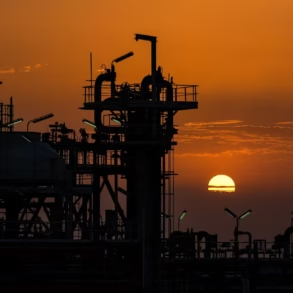
Oil prices dropped, with crude slipping below the $100 per barrel level after previously surging on fears that the conflict could disrupt global energy supply.
The decline reflects a partial unwinding of the geopolitical risk premium that traders built into oil markets during the height of tensions. Traders who had pushed prices higher are now reassessing positions as the prospect of diplomatic talks reduces the likelihood of immediate disruption.
The move below $100 is significant, both psychologically and technically, as it signals that markets are beginning to price in a lower probability of near-term escalation, even though underlying risks remain.
At the same time, oil markets continue to react quickly to geopolitical developments. Any renewed escalation or breakdown in talks could quickly push prices higher again, reversing the recent decline.
However, despite the drop in crude oil prices, consumers have seen limited impact.
A related report shows that gas prices are inching toward $4 per gallon,
highlighting the lag between wholesale oil prices and retail fuel costs.
Gasoline prices tend to respond more slowly to changes in crude due to refining capacity, transportation costs, and existing inventories. As a result, even when oil prices fall, consumers may continue to see higher prices at the pump.
In addition, strong seasonal demand and constraints in refining capacity have continued to support gasoline prices, contributing to ongoing pressure on households and businesses.
Markets Reprice Risk as Energy Signals Diverge
The rally in equities highlights how sensitive markets remain to geopolitical headlines. Just days earlier, stocks had been under pressure as oil prices surged and investors worried about the broader economic impact of higher energy costs.

The latest gains reflect a reversal of that trend, driven by expectations that tensions may ease. Investors are increasingly reacting to developments in real time, with sentiment shifting quickly based on new information.
Lower oil prices, if sustained, could help ease some inflation pressures, which have been a key concern for central banks. However, the continued rise in gasoline prices suggests that energy-related costs remain elevated, which may continue to influence inflation trends.
This creates a mixed environment in which financial markets respond quickly to improving sentiment, while underlying economic conditions adjust more gradually.
Market participants are also closely watching how these developments could influence broader economic conditions. Energy prices play a significant role in shaping inflation expectations, and any sustained increase in fuel costs could have implications for consumer spending and business activity.
At the same time, the possibility of diplomatic progress introduces uncertainty around the future direction of energy markets. If talks move forward and tensions ease, oil prices could stabilize or move lower. Conversely, any breakdown in negotiations or renewed escalation could quickly reverse recent declines.
For now, markets appear to be responding primarily to expectations of de-escalation, even as the situation remains fluid. Investors are expected to continue monitoring developments related to U.S.–Iran relations, as well as movements in oil and gasoline prices, which remain key drivers of market sentiment.