


The U.S. dollar rebounds as investors move toward safer assets amid rising geopolitical tensions and volatility in global energy markets.
The currency has strengthened against major peers as uncertainty linked to the Middle East conflict continues to influence investor sentiment. Demand for the dollar has increased as traders look for stability in a market environment shaped by supply disruptions and inflation risks.
Safe-haven demand lifts the dollar
The dollar has regained momentum after recent weakness, supported by a shift toward defensive positioning in global markets.
During periods of uncertainty, investors typically increase exposure to the U.S. currency due to its role as the world’s primary reserve asset. Recent disruptions in oil supply routes have added to concerns about global growth and inflation, further strengthening demand for dollar-denominated assets.
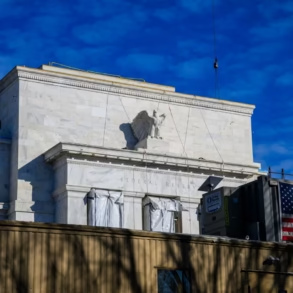
Expectations that the Federal Reserve may keep interest rates higher for longer have also contributed to the dollar’s rebound.
Euro and sterling weaken under pressure
The euro and British pound have come under pressure as energy risks weigh on economic outlooks across Europe.
The euro has struggled to maintain strength as the region faces increased exposure to rising fuel costs and supply disruptions. This has raised concerns about economic stability and inflation within the eurozone.
The British pound has shown some resilience but remains vulnerable as investors assess the impact of higher energy prices and slower growth.
Gold declines as dollar strengthens
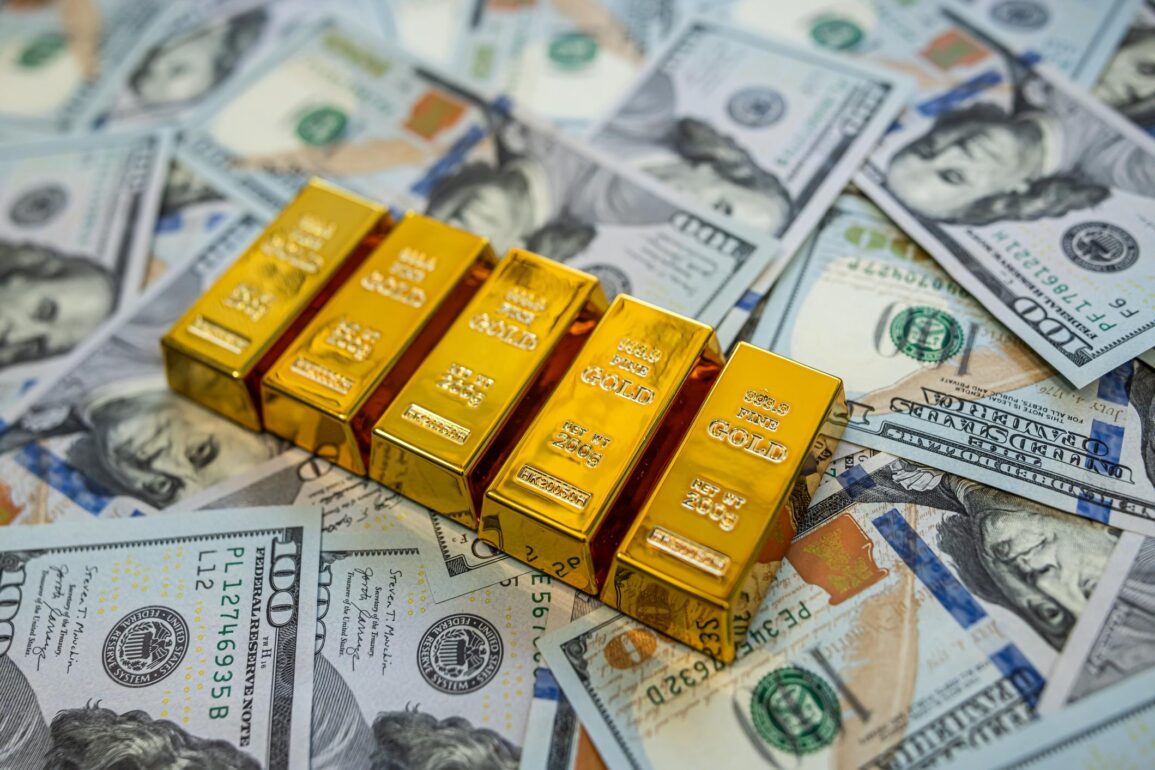
Gold prices have lost momentum as the stronger dollar reduces the appeal of the precious metal.
Because gold is priced in dollars, a stronger currency makes it more expensive for international buyers. This typically leads to weaker demand and downward pressure on prices.
Despite ongoing geopolitical risks, investors appear to be favoring the dollar over commodities in the current environment.
Markets focus on inflation and policy outlook
Investors are closely monitoring central bank signals as they assess the broader economic impact of rising energy costs.

Higher oil prices could push inflation higher, making it more difficult for central banks to ease monetary policy. This has led markets to reassess expectations for interest rate cuts, particularly in the United States.
Policymakers are expected to remain cautious as they balance inflation risks with economic growth concerns.
What comes next for the dollar
The outlook for the U.S. dollar will depend largely on how geopolitical tensions and energy markets evolve.
If uncertainty remains elevated, demand for the dollar is likely to stay strong. However, any easing of tensions or stabilization in energy supply could reduce safe-haven demand.
For now, currency markets reflect a cautious environment, with investors continuing to prioritize safety amid ongoing global risks.