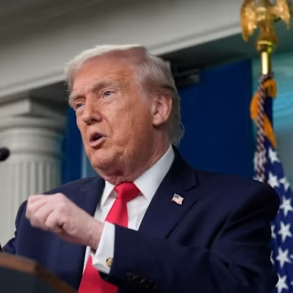


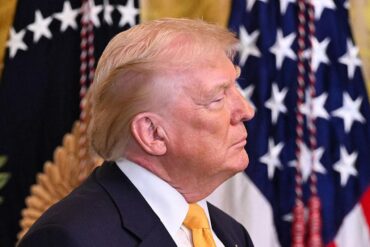

Global financial markets rallied sharply at the start of the week after U.S. President Donald Trump announced a temporary pause on planned military strikes against Iranian energy infrastructure, easing fears of an immediate escalation in the Middle East conflict.
The decision, which Trump said followed “very good and productive talks,” triggered a swift reaction across asset classes. Stocks surged, oil prices dropped sharply, and investor sentiment shifted decisively toward risk-taking after days of volatility driven by geopolitical tensions.
Markets that had been bracing for further escalation suddenly found relief in the prospect of diplomacy, even as uncertainty around the broader conflict remained.
Markets Rally as Geopolitical Tensions Ease
Wall Street opened the week on a strong footing, with major indexes climbing as investors responded to signs that the conflict between the United States and Iran may not intensify in the immediate term.
Stock futures surged earlier in the session after Trump signaled that strikes on Iranian targets would be postponed, a move that reduced fears of a broader regional disruption.
The rally gained momentum as trading began, with the Dow Jones Industrial Average jumping significantly, alongside strong gains in the S&P 500 and Nasdaq. The move reflected a rapid shift in investor positioning, from defensive to risk-on, following the announcement.
According to market data, equities were supported not only by easing geopolitical concerns but also by declining energy prices, which tend to relieve pressure on inflation and corporate costs.
Analysts noted that the reaction highlights how sensitive markets remain to geopolitical headlines, particularly when they involve critical global supply routes and energy infrastructure.
Oil Prices Drop Sharply After Trump’s Announcement
One of the most immediate and pronounced reactions came in the oil market, where prices fell sharply following the news of delayed military action.
Crude benchmarks, which had been climbing amid fears of supply disruptions, reversed course as traders reassessed the likelihood of a near-term shock to global oil flows.
Oil prices dropped close to double digits in early trading, with Brent crude falling toward the $100-per-barrel range and U.S. West Texas Intermediate also seeing steep declines.
The sell-off reflected a rapid unwinding of risk premiums that had been built into prices during the escalation phase of the conflict.
Earlier concerns had centered on potential disruptions to key infrastructure and shipping routes, particularly through the Strait of Hormuz, a critical artery for global energy trade. Any sustained disruption in that region could significantly tighten global supply.
However, the postponement of strikes signaled a temporary easing of those risks, prompting traders to reduce bullish bets on oil.
Still, analysts caution that the decline may be short-lived if tensions flare again, as underlying geopolitical risks remain unresolved.
Investor Sentiment Shifts Toward Risk Assets
The combination of falling oil prices and reduced geopolitical risk helped drive a broader shift in investor sentiment.
Markets that had previously been weighed down by uncertainty saw renewed buying interest, particularly in sectors sensitive to energy costs and economic growth.
Travel and consumer-related stocks, which tend to benefit from lower fuel prices and improved economic outlooks, were among the biggest gainers. Meanwhile, energy stocks lagged behind, reflecting the drop in crude prices.
The rally extended beyond equities, with other risk assets also showing strength. Cryptocurrencies, including Bitcoin, moved higher as investors embraced a more optimistic outlook, while safe-haven assets saw reduced demand.
At the same time, Treasury yields edged lower as investors recalibrated expectations around inflation and central bank policy.
A Market Driven by Headlines
The sharp reversal in both oil and equities underscores the extent to which markets are currently being driven by geopolitical developments.
Just days earlier, fears of escalation had pushed oil prices higher and weighed on stocks, as investors priced in the possibility of supply disruptions and broader economic fallout.
The Middle East conflict has already been described as one of the most significant supply shocks in decades, with disruptions to energy infrastructure and shipping routes contributing to heightened volatility across global markets.
Trump’s decision to delay strikes effectively removed, at least temporarily, one of the key triggers for further escalation.
However, the situation remains fluid. While the U.S. president indicated that discussions with Iran had been productive, conflicting reports have cast uncertainty over the status of those talks.
For investors, this means that while the immediate risk has eased, the broader outlook remains uncertain.
Oil and Inflation Outlook Remain in Focus
The drop in oil prices could have broader implications for inflation and monetary policy, both of which have been central concerns for markets in recent months.
Higher energy costs had been expected to feed into inflation, potentially complicating the path for central banks, particularly the Federal Reserve.

With oil prices now pulling back, at least temporarily, some of that pressure may ease, providing a modest reprieve for policymakers.
However, analysts warn that any renewed escalation could quickly reverse the trend, pushing energy prices higher again and reigniting inflation concerns.
This dynamic leaves markets in a delicate balance, where short-term relief is offset by longer-term uncertainty.
What Comes Next for Markets
Looking ahead, investors are likely to remain highly sensitive to developments in the Middle East.
The next few days will be critical in determining whether the pause in military action leads to a more lasting de-escalation or merely delays further conflict.
Market participants will be closely watching:
- Signals of continued diplomatic engagement
- Developments around oil supply routes
- Any renewed military activity
For now, the rally in stocks and the drop in oil prices reflect cautious optimism rather than a definitive shift in the underlying trend.
As one analyst put it, the market is reacting to the “absence of bad news” rather than the presence of a clear resolution.
A Fragile Calm
While Monday’s market moves suggest relief, the situation remains far from stable.
The global economy is still grappling with the effects of geopolitical tensions, supply disruptions, and inflationary pressures.
Trump’s decision to delay strikes has bought time for diplomacy, but it has not eliminated the risks that have been driving market volatility.
For investors, the key takeaway is clear: markets may rally on signs of de-escalation, but the path forward is likely to remain uneven.