


Global oil prices slipped after the United States issued a temporary authorization allowing countries to buy Russian crude cargoes stranded at sea. The decision eased immediate supply concerns across global energy markets.
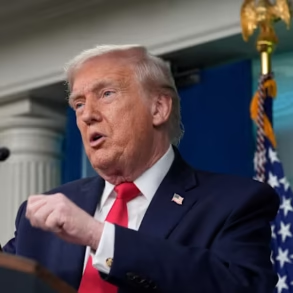
The short-term license, lets buyers purchase Russian oil shipments that were already in transit before new sanctions took effect. The waiver is expected to last about 30 days. Officials say the move aims to prevent a sudden tightening of supply.
Energy markets have already been shaken by geopolitical tensions and disruptions to major shipping routes. Although prices dipped following the announcement, crude benchmarks remain elevated. Investors continue to watch developments in the Middle East closely.
Temporary Russian Oil Waiver Offers Limited Market Relief
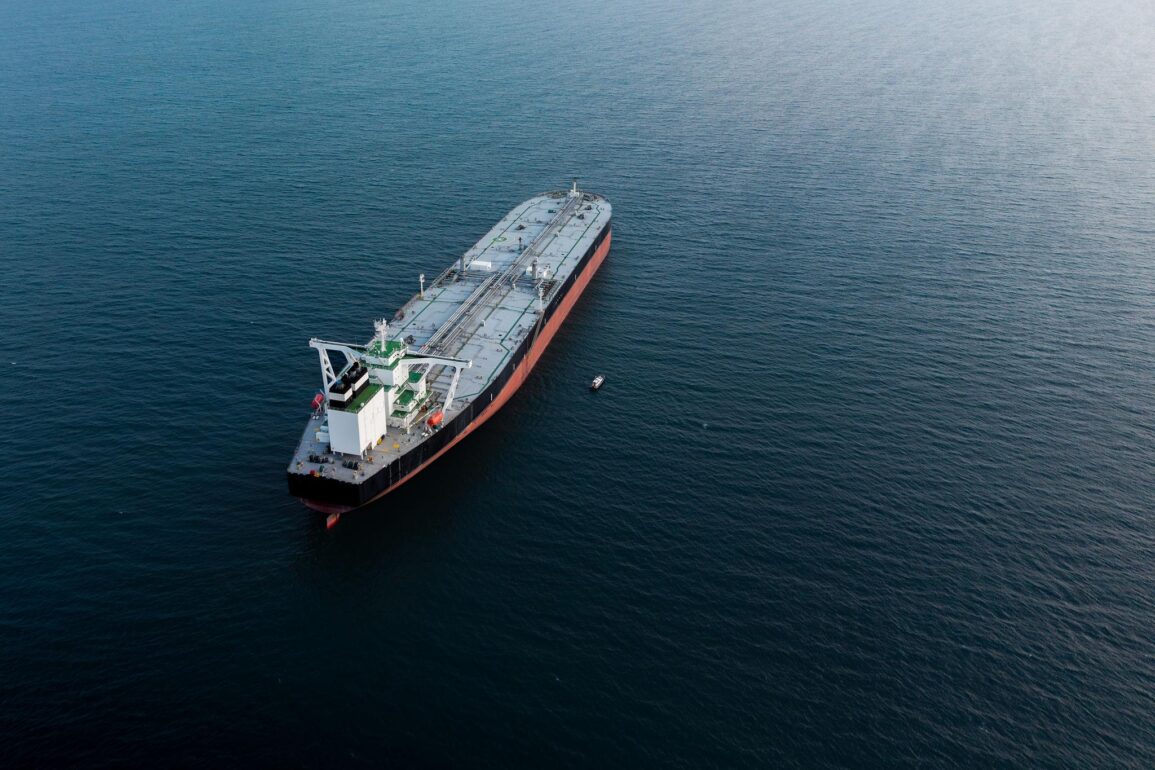
Under the new authorization, oil cargoes already at sea before sanctions took effect can still reach buyers during the grace period. Analysts estimate that tens of millions of barrels could be affected by the policy. That volume may help ease short-term supply pressure in global energy markets.
Policymakers hope the measure will stabilize oil markets and prevent sharp price spikes. Rising energy prices could worsen inflation and slow economic growth in major economies.
However, energy analysts say the waiver does not increase global oil production. Instead, it allows oil that has already been produced to reach buyers rather than remain stranded due to regulatory restrictions.
Middle East Tensions Continue to Shape Oil Market Sentiment
Despite the temporary relief from the waiver, geopolitical tensions remain the main driver of market volatility. The ongoing conflict involving Iran continues to affect energy markets.
Security concerns in the Persian Gulf have disrupted maritime activity. They have also raised fears about shipments passing through the Strait of Hormuz, one of the most critical oil transit routes in the world.
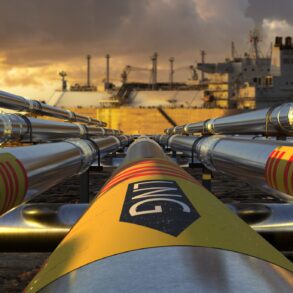
Roughly one-fifth of global oil supply moves through this narrow corridor each day. Because of this, any disruption in the region could quickly tighten supply and push prices higher.
Oil Markets Remain Sensitive to Supply Risks
The Russian oil waiver briefly pushed prices lower. Even so, traders remain cautious as geopolitical risks continue to dominate market sentiment.
Recent incidents involving vessels and energy infrastructure have increased concerns about shipping security. Traders are also watching for signs that disruptions could spread across key transport routes.
Market analysts warn that oil prices could rise again if tensions escalate. Restrictions on tanker traffic or damage to energy infrastructure could tighten supply further.

Some financial institutions say crude prices could remain above $100 per barrel if disruptions persist or supply constraints deepen.
Energy Prices Remain Central to the Global Economic Outlook
Oil prices continue to play a major role in shaping expectations for inflation and economic growth.
Higher fuel costs can increase transportation expenses and raise manufacturing costs. These increases can eventually push consumer prices higher across many sectors.
Because of this, investors, policymakers, and central banks are watching energy markets closely. Geopolitical developments continue to influence supply expectations.
The temporary waiver on Russian crude shipments may calm markets in the short term. However, the longer-term direction of oil prices will depend on how geopolitical tensions and supply risks evolve.