

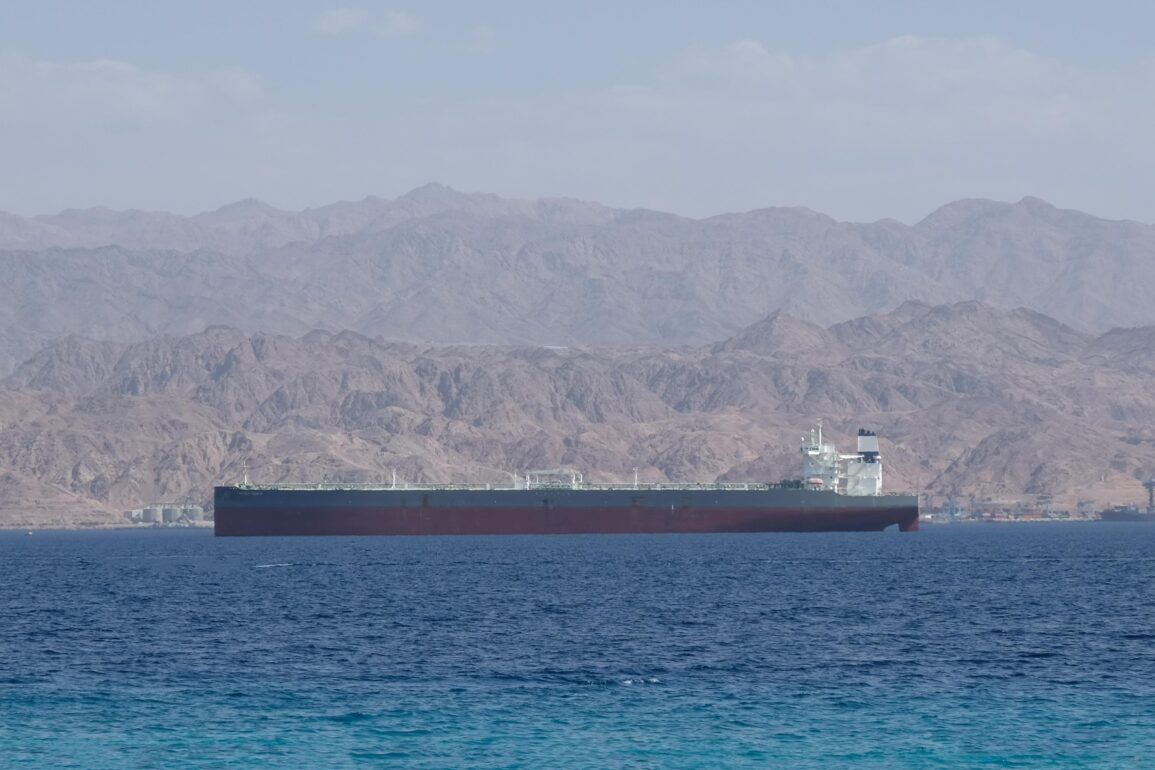

Global financial markets are closely watching developments in the Middle East after U.S. officials confirmed that Iranian oil tankers are being allowed to pass through the Strait of Hormuz, a key shipping corridor for global energy supplies.
The decision comes at a time of heightened geopolitical tensions linked to the ongoing conflict involving Iran, which has disrupted maritime traffic and rattled commodity markets. Energy traders, investors, and policymakers are increasingly focused on how the situation could influence oil prices, inflation, and broader financial markets.
U.S. Treasury Secretary Scott Bessent said in a television interview that Iranian oil tankers have already been leaving the Gulf and that Washington is allowing the shipments to continue in order to keep global energy markets supplied.
The move appears aimed at preventing a deeper supply shock in oil markets already dealing with significant volatility as the conflict enters another critical phase.
Strait of Hormuz Remains Central to Global Energy Supply
The strategic importance of the Strait of Hormuz cannot be overstated. The narrow waterway linking the Persian Gulf with the Arabian Sea handles roughly one-fifth of the world’s daily oil shipments, making it one of the most critical chokepoints in the global energy system.
Since the start of the latest confrontation involving Iran, ship traffic through the strait has dropped sharply as tanker operators and shipping companies reassess security risks in the region. The disruption has already pushed oil prices higher in recent weeks as traders price in the possibility of a supply shock.
At one point during the crisis, Brent crude surged above $100 per barrel, marking the highest levels in several years and triggering renewed fears about global inflation and energy shortages.
Allowing Iranian tankers to continue sailing through the strait could therefore ease some of the immediate supply pressure on markets. However, analysts caution that the underlying geopolitical risks remain unresolved.
Energy traders say the situation could change rapidly if attacks on vessels escalate or if insurance costs for ships operating in the region rise further.
Oil Markets Balance Supply Risks and Demand Concerns
Oil prices have been particularly sensitive to developments in the Persian Gulf because the region accounts for a large portion of global crude exports.
Iran alone exports roughly 1.5 million barrels of oil per day, much of which moves through the Strait of Hormuz to buyers in Asia.
Allowing tankers to pass through the strait may help maintain those flows, but traders remain wary that the conflict could expand or lead to further disruptions.
Some market analysts have warned that a prolonged shutdown of shipping routes in the Gulf could drive crude prices dramatically higher. In extreme scenarios, certain energy strategists have suggested oil prices could climb toward the $200-per-barrel range if global supply chains were severely disrupted.
Even without such an extreme outcome, sustained energy price increases could have significant implications for the global economy.
Higher oil prices tend to raise transportation costs, push up manufacturing expenses, and eventually feed through into consumer inflation.
Treasury Yields Reflect Investor Uncertainty
Financial markets beyond the energy sector have also reacted to the evolving situation.
U.S. Treasury yields have edged lower in recent trading sessions as investors monitor oil price movements and reassess the broader economic outlook.
When geopolitical tensions drive volatility in commodities, investors often shift funds toward government bonds and other perceived safe-haven assets.
Falling Treasury yields can signal expectations that economic growth may slow or that central banks could eventually adopt a more cautious monetary stance.
Some analysts note that sustained energy price spikes could complicate the policy decisions facing central banks, particularly if higher oil prices begin to push inflation upward again.
For policymakers already navigating a fragile economic environment, developments in the energy market could therefore have far-reaching consequences.
Global Markets Respond to Energy Volatility
Equity markets have also been sensitive to fluctuations in oil prices during the crisis.
When oil prices rise sharply, energy companies and oil producers often benefit, while sectors heavily dependent on fuel costs, including airlines, transportation firms, and manufacturing companies, tend to face greater pressure.
Recent trading sessions have reflected this dynamic, with energy stocks gaining ground even as broader markets remain cautious.

At the same time, analysts say investors are trying to determine whether the conflict will produce a short-term shock or a more prolonged disruption to global supply chains.
If tanker traffic through the Strait of Hormuz continues to stabilize, markets may begin to price in a lower risk of extreme supply shortages.
However, the possibility of further military escalation continues to hang over financial markets.
What Investors Are Watching Next
For now, market participants are closely monitoring several key indicators.
First, traders are watching tanker traffic data to determine whether shipments through the Strait of Hormuz are increasing or declining.
Second, energy analysts are tracking insurance premiums for vessels operating in the Gulf, which can quickly affect the cost and feasibility of oil transport.
Finally, investors are looking at signals from policymakers about whether additional steps may be taken to stabilize global energy markets.
The direction of oil prices in the coming weeks will likely depend on whether geopolitical tensions ease or intensify.
If tanker traffic continues and oil supplies remain relatively stable, markets may gradually calm.
But if shipping disruptions worsen or the conflict spreads further across the region, energy prices could rise again, potentially sending ripples across global financial markets.