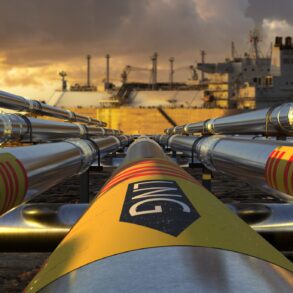




Global financial markets came under renewed pressure after oil prices surged above $100 per barrel following attacks on shipping vessels in Gulf waters linked to escalating tensions involving Iran.
The sudden jump in crude prices sent shockwaves across global markets, pushing stocks lower and fueling concerns about the potential economic fallout from rising energy costs. Investors moved cautiously as geopolitical tensions intensified in one of the world’s most critical energy corridors.
Analysts warn that disruptions in the region could tighten global oil supplies and further increase volatility across financial markets.

Oil Prices Surge After Iran Attacks on Gulf Shipping
Oil markets rallied sharply as reports emerged of tanker attacks and escalating military activity in Gulf waters. The developments heightened fears of supply disruptions in the region, driving crude prices above the $100-per-barrel threshold.
The crisis centers around shipping routes near the Strait of Hormuz, a narrow waterway through which a significant portion of the world’s oil exports pass each day.
Because of its strategic importance, any instability in the area can quickly send global energy markets into turmoil. Traders reacted quickly to the latest developments, pushing crude prices higher amid concerns that prolonged conflict could disrupt oil flows.
Global Stock Markets Slide as Energy Costs Climb
Equity markets across Asia and other regions weakened as investors reacted to rising energy prices and growing geopolitical risks.
Higher oil prices often translate into increased production and transportation costs, which can weigh on corporate profits and economic growth. As a result, investors tend to reduce exposure to riskier assets during periods of energy market volatility.
Major Asian indices recorded losses as traders reassessed the potential economic impact of sustained high oil prices.
Inflation Concerns Return to the Spotlight
The surge in crude prices has also raised fresh concerns about global inflation.

Central banks worldwide have been working to control inflation following years of economic volatility. However, sustained increases in energy costs could complicate those efforts, potentially forcing policymakers to maintain tighter monetary conditions.
Market analysts note that higher fuel costs can ripple across the global economy, affecting everything from transportation to manufacturing and consumer goods.
Energy Supply Risks Continue to Rattle Investors
Despite discussions among international policymakers about potential emergency oil reserve releases, investors remain cautious as tensions in the Middle East persist.
If shipping disruptions continue or the conflict escalates further, energy markets could experience prolonged supply constraints. Such developments would likely keep oil prices elevated and sustain volatility across global financial markets.
For now, traders and policymakers alike are closely monitoring developments in the region as the situation evolves.