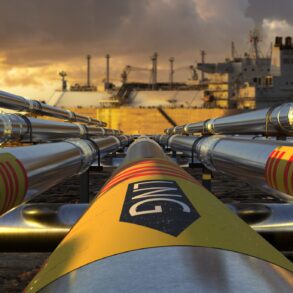


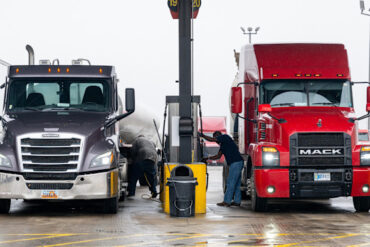

Diesel prices have surged to their highest levels in years, approaching the $5-per-gallon mark in the United States, as escalating conflict in the Middle East continues to disrupt global oil supply chains.
The sharp increase comes as tensions linked to the Iran war interfere with critical shipping routes, particularly around the Strait of Hormuz, a key chokepoint that handles roughly 20% of the world’s oil flows.
Supply disruptions drive diesel prices higher
Fuel markets have reacted swiftly to the worsening geopolitical situation. Diesel, a key fuel for transportation, agriculture, and manufacturing, has risen significantly, outpacing other refined products.
Recent data shows diesel prices nearing $5 per gallon, marking the highest level since 2022 and reflecting tightening supply conditions across global markets.
Unlike crude oil, diesel markets are particularly sensitive to supply chain disruptions. Refining bottlenecks, reduced shipping activity, and sanctions-related constraints have all contributed to a squeeze in available supply.
Analysts note that even small interruptions in diesel flows can quickly ripple across economies, given its central role in freight and industrial activity.
Strait of Hormuz tensions shake energy markets
The Strait of Hormuz has become the focal point of market concerns as military activity and security risks disrupt tanker movements.
Since the conflict escalated, shipping traffic in the region has dropped sharply, with many vessels avoiding the area due to safety concerns.
This has effectively removed significant volumes of oil and refined products from global circulation, tightening supply and increasing price volatility.
Energy traders remain on high alert, closely monitoring developments in the region, as any prolonged disruption could push prices even higher.
Economic impact spreads beyond energy markets
The surge in diesel prices is already feeding into broader economic concerns.
Because diesel powers key sectors such as logistics, farming, and heavy industry, rising fuel costs are expected to:
- Increase transportation expenses
- Push up food and goods prices
- Add pressure to global inflation

Industry groups warn that smaller businesses, particularly in trucking and agriculture, may struggle to absorb the higher costs.
At the same time, policymakers are watching closely, as sustained energy inflation could complicate central banks’ efforts to stabilize prices and support economic growth.
Markets remain volatile as uncertainty persists
While some governments have attempted to stabilize markets through policy measures and strategic reserves, the underlying geopolitical risks remain unresolved.
Analysts caution that the current relief measures may only provide temporary stability, with prices likely to remain elevated as long as supply disruptions persist.
If tensions escalate further or shipping routes remain constrained, diesel and broader energy markets could face additional upward pressure in the coming weeks.
For now, investors are bracing for continued volatility, as developments in the Middle East continue to shape the global economic outlook.